OEM Manufacturing
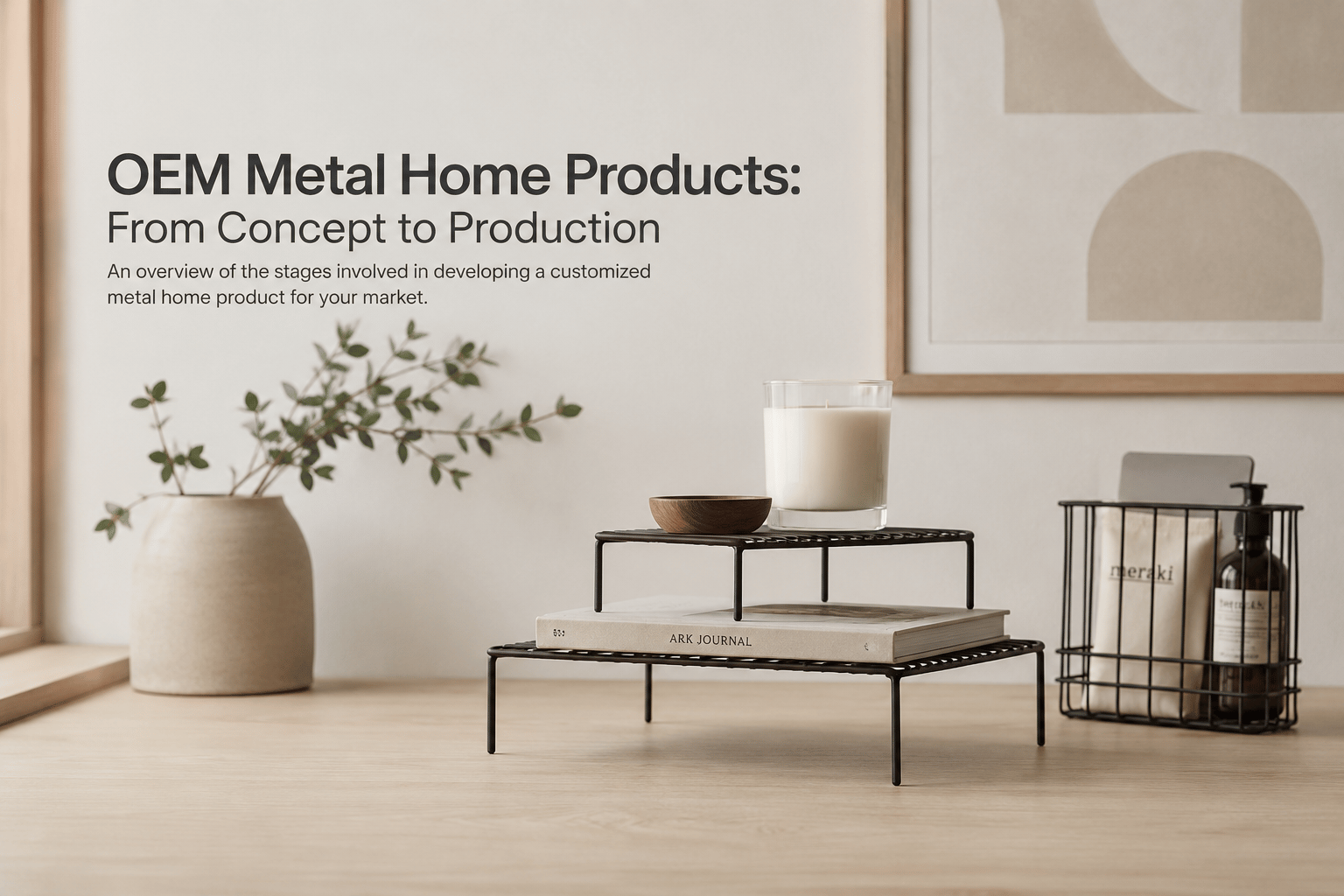
OEM Metal Home Products: From Concept to Production
How the right manufacturing partner turns an idea into a product your market actually wants.
In Brief
OEM metal home product development is a structured process that turns a market need into a manufacturable, tested and commercially viable product. It normally includes product definition, engineering, prototyping, material and finish selection, production, quality control and packaging.
Walk into any home improvement store or browse an online homeware retailer, and you’ll notice something interesting. Many of the best-selling metal home products are not unique because they use different materials; they succeed because they were designed for a specific market.
A storage basket that sells well in Germany may not appeal to customers in Australia. A kitchen organizer popular in the United States might need different dimensions for homes in Japan. Even something as simple as a wire display riser can require different finishes, load capacities or packaging depending on where it will be sold.
This is where OEM metal product manufacturing makes the difference.
Instead of choosing from a catalogue of standard products, distributors can develop products that match their customers, brand and market. Bringing an idea from paper to production, however, is more than sending a drawing to a factory. It is a step-by-step process that combines product design, engineering, manufacturing experience and quality control.
Here is what that journey typically looks like.
What is OEM metal product manufacturing?
OEM metal product manufacturing is the process of producing metal products according to another company's design, specifications, branding or market requirements.
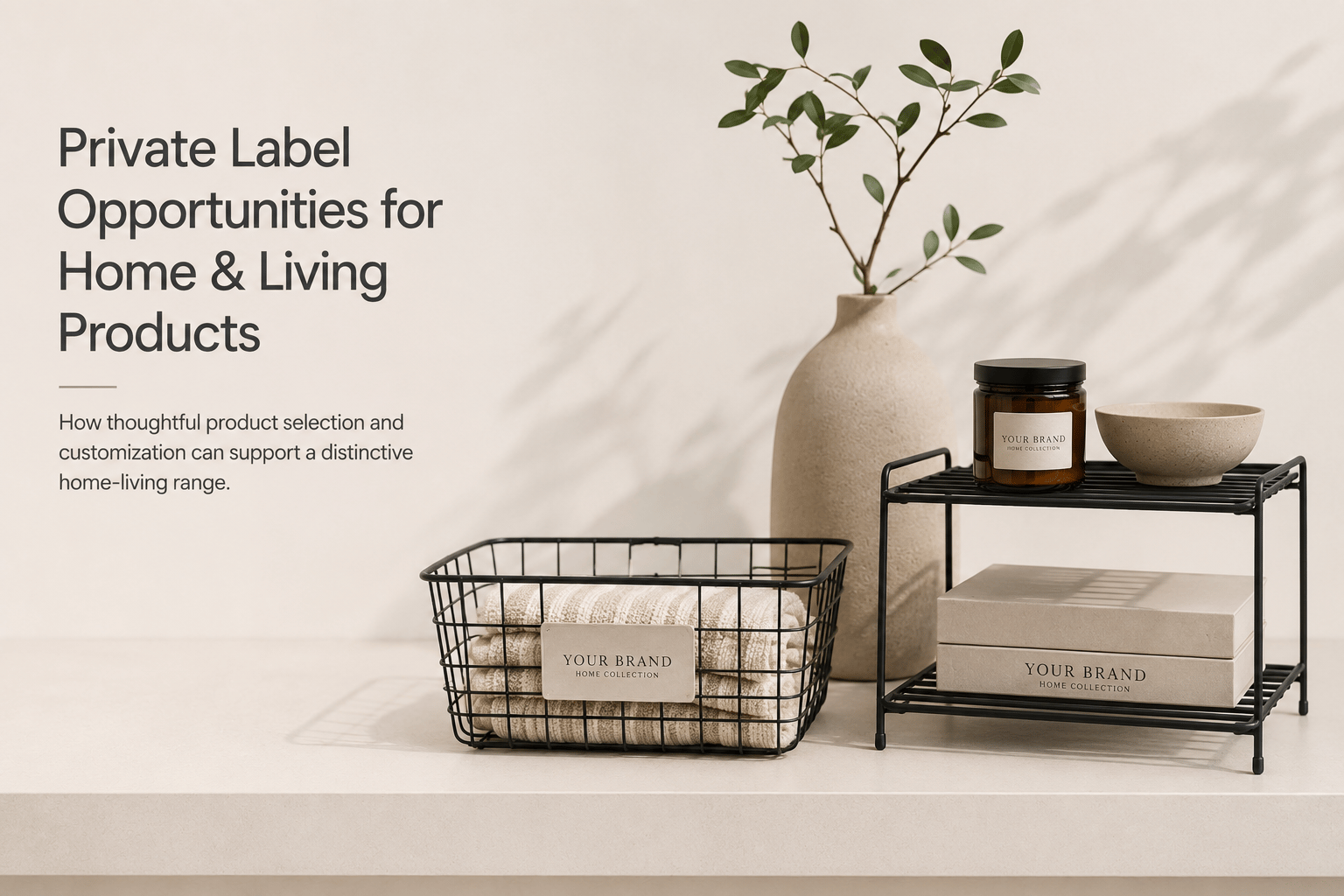
For buyers, this creates a route to custom metal home accessories and private-label metal products that reflect a defined audience instead of a generic catalogue.
OEM Product Development Process at a Glance
| Stage | Purpose |
|---|---|
| Market need | Identify the customer problem and target-market opportunity. |
| Product brief | Define the intended use, appearance, dimensions and commercial requirements. |
| Engineering review | Evaluate structure, production method and manufacturability. |
| Prototype | Produce and assess a physical sample before mass production. |
| Material selection | Balance strength, corrosion resistance, weight, appearance and budget. |
| Finish approval | Confirm the required colour, surface treatment and appearance. |
| Production | Form, cut, weld, finish and assemble to the approved standard. |
| Quality control | Check materials, dimensions, welds, stability and finishing. |
| Packaging | Protect the product and prepare private-label presentation where required. |
| Delivery | Prepare the approved order for shipment to its destination. |
Every Product Starts with a Market Need
The best OEM products do not begin in a factory; they begin with a problem.
Perhaps your retail customers are asking for stronger storage baskets that will not bend under weight. Maybe supermarkets need more durable display accessories. Or perhaps homeware retailers are looking for modern matte black finishes because consumer preferences have changed.
Rather than adapting your business to whatever products are available, OEM manufacturing allows you to build products around what your customers actually want.
That first idea becomes the foundation for everything that follows.
Turning Ideas into Manufacturable Designs
A good idea is not always ready for production.
Manufacturers first evaluate whether the product can be produced efficiently while maintaining durability, appearance and competitive pricing.
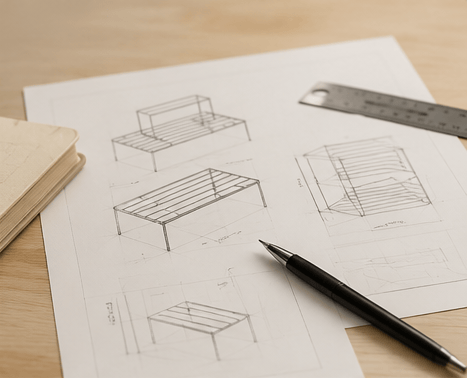
Engineers create technical drawings, determine the appropriate wire thickness or steel grade, calculate load capacity and decide how different parts will be welded or assembled.
Sometimes small design adjustments can significantly reduce production costs without affecting performance. That is why experienced OEM manufacturers often contribute far more than manufacturing: they improve the product itself.
Prototypes Remove the Guesswork
Before thousands of units are produced, a prototype allows everyone to see the product in real life.
This is often where valuable improvements happen.
Maybe the basket handles need to be wider. The display riser could benefit from a lower centre of gravity for better stability. The coating colour may look different under retail lighting than it did on a computer screen.
Making these adjustments before mass production saves time and money while helping ensure that the final product meets expectations.
Choosing Materials That Match the Product
Not every metal product should be manufactured in the same way.
A kitchen organizer exposed to moisture requires different material considerations from a retail display stand.
Carbon steel remains a common choice because it offers strength and cost efficiency. Stainless steel provides greater corrosion resistance, while aluminium is often considered when reducing weight is a priority.
Selecting the right material means balancing durability, appearance, function and budget rather than simply choosing the most expensive option.
Buyers can review the current metal home and living product collections as a starting point for development discussions.
The Finish Is More Than Appearance
Customers notice colour first, but they remember quality.
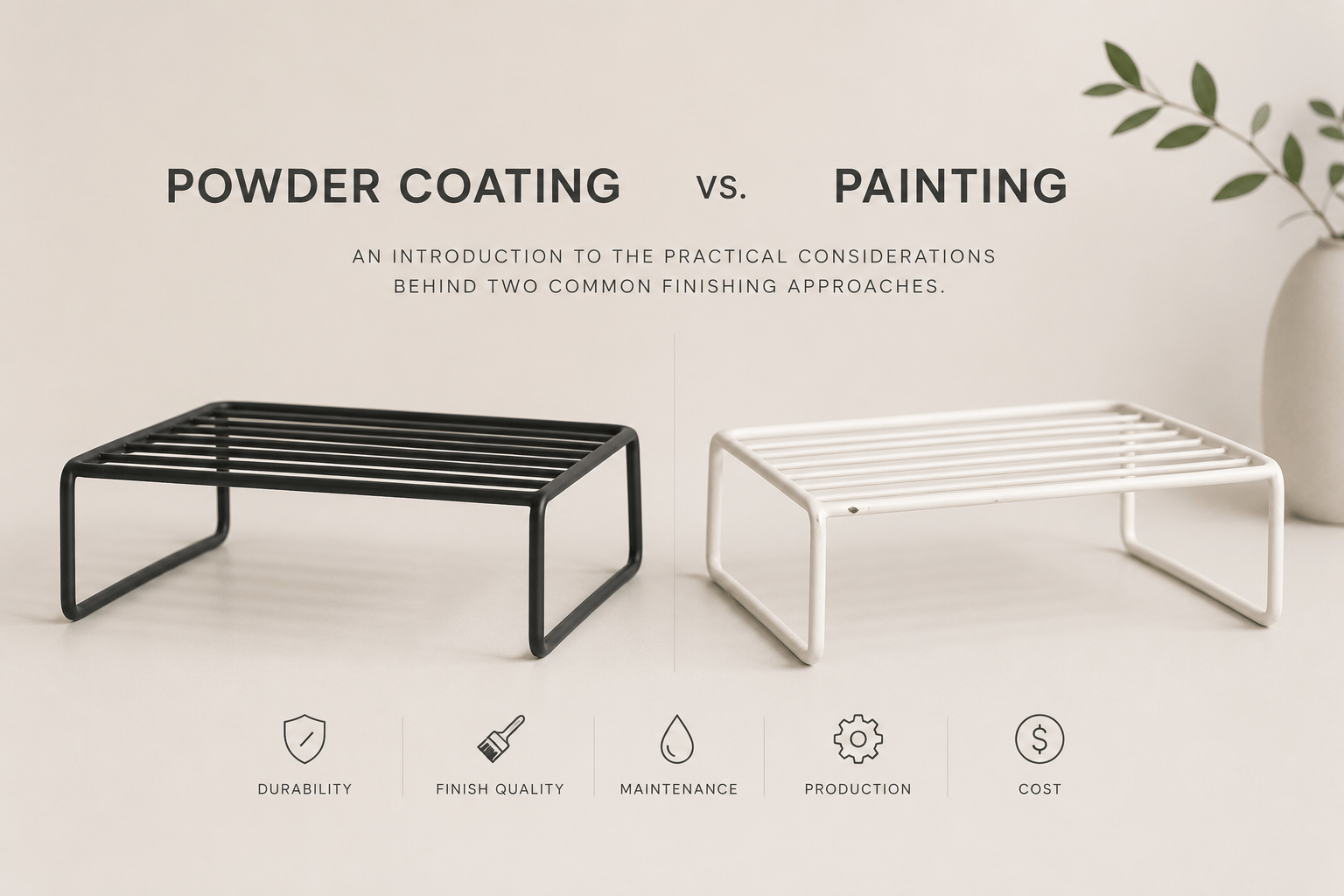
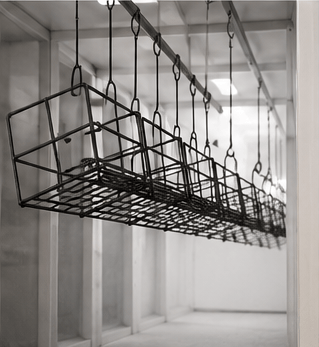
Surface finishing helps protect metal products from corrosion, scratches and everyday wear while creating the appearance that retailers expect.
Powder coating continues to be a preferred finish for many metal home products because it combines durability with a clean, modern appearance. Chrome plating, zinc coating and custom colours may also be considered depending on the product and target market.
The right finish does not simply make a product look better; it can also extend its useful life.
Precision Matters During Production
Once every detail has been approved, manufacturing begins.
Wire forming, laser cutting, bending, welding, polishing, coating and assembly need to work together with consistent accuracy. A few millimetres of variation may not sound important, but across a production run, those small differences can become quality issues.
Reliable manufacturers use suitable equipment, experienced technicians and controlled production processes because repeatability is what distributors depend on.
Every shipment should match the approved standard.
Quality Isn’t Something You Inspect at the End
One of the biggest misconceptions about manufacturing is that quality happens only during final inspection.
In reality, quality begins much earlier.
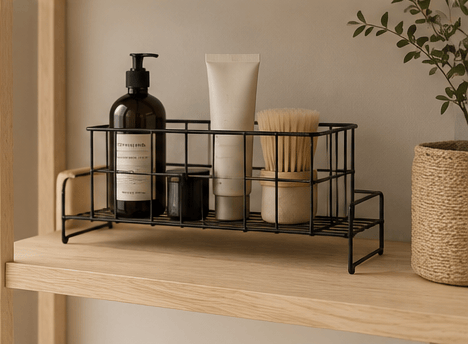
Raw materials may be checked before production starts. Welds can be inspected throughout manufacturing. Dimensions are measured, and finished products may be evaluated for strength, stability and coating quality before packaging.
By identifying problems early, manufacturers can reduce waste and improve consistency.
Packaging Also Represents Your Brand
Even the best product can arrive in poor condition if packaging is overlooked.
OEM manufacturers often work with distributors to develop packaging that protects products during international shipping while supporting private-label presentation.
Retail-ready cartons, custom labels, barcode printing and instruction manuals all contribute to a more professional product experience.
For distributors, packaging is not just protection; it is part of the customer’s impression of the brand.
More Than Manufacturing
Many distributors think OEM manufacturing simply means producing products according to a drawing.
In practice, the strongest manufacturing partnerships are collaborative.
An experienced metal manufacturer may recommend more suitable materials, simplify production methods, improve structural strength, reduce manufacturing complexity and suggest design changes that make products easier to pack, ship or assemble.
Those improvements can become meaningful competitive advantages. Learn more about Steel Craft Living’s OEM Manufacturing support.
Building Products That Fit Your Market
Every successful metal home product follows a journey, from an idea inspired by market demand to engineering, prototyping, production, quality control and delivery.
The process may appear straightforward, but every stage influences the final result.
For distributors, choosing the right OEM manufacturing partner is about more than production capability. It means working with a team that understands how products are developed, refined and manufactured for different markets.
When that partnership works well, you are not simply buying metal products.
You are creating products that retailers want to stock, customers want to buy and competitors cannot easily copy.
Frequently Asked Questions
What is OEM metal home product manufacturing?
It is the production of metal home products according to another company’s design, specifications, branding or market requirements.
Why is prototyping important before mass production?
A prototype allows buyers and manufacturers to assess dimensions, stability, appearance and usability before committing to mass production.
Which materials are commonly used for metal home products?
Carbon steel, stainless steel and aluminium are common choices. Selection depends on strength, corrosion resistance, weight, appearance and budget.
Why is powder coating commonly used?
Powder coating can provide a durable surface and a clean, modern appearance while helping protect metal from scratches and everyday wear.
Can OEM products include private-label packaging?
Yes. Suitable projects can include retail-ready cartons, custom labels, barcode printing and instruction materials as part of the packaging brief.
What information should a buyer provide to start an OEM project?
A useful starting brief includes the product idea, target market, intended use, preferred dimensions, estimated quantity, finish and packaging requirements.