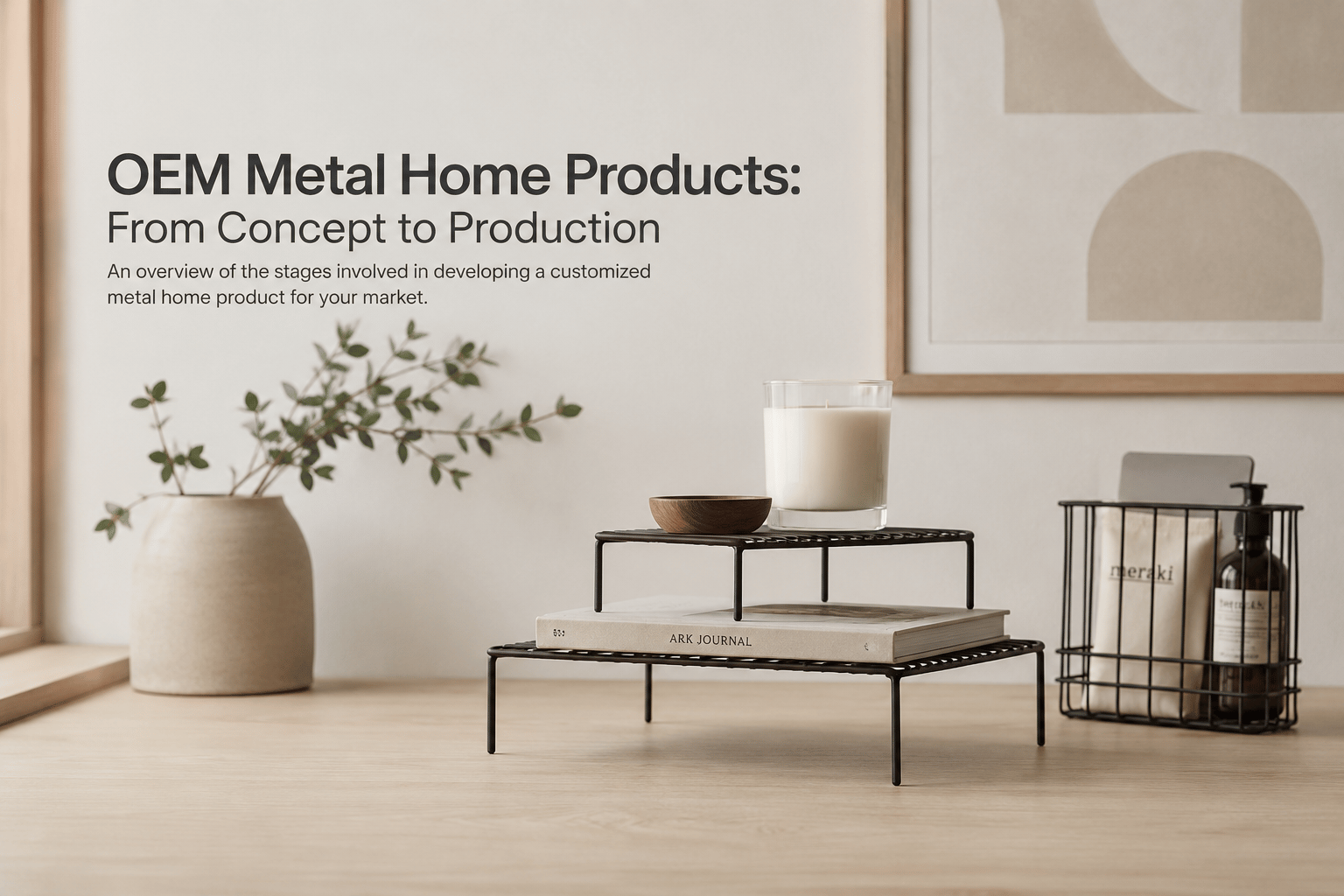
Retail Display
How to Choose the Right Metal Display Stand for Retail
The right display stand doesn't just hold products—it helps sell them.
- Author
- By Steel Craft Living
- Published
- Published July 22, 2026
- Last updated
- Updated July 22, 2026
- Reading time
- 9 min read

The right metal display stand should match the product’s size and weight, support natural customer movement, suit the retail environment, withstand daily use and remain easy to assemble, reposition and customise.
Walk into any successful retail store and you'll notice one thing almost immediately: products that sell well are usually displayed well. Before a customer picks up an item, they have often already judged it based on how it is presented.
That is why choosing the right metal display stand for retail is not simply about finding something strong enough to hold products. It is about creating a display that attracts attention, fits naturally into the retail space and encourages customers to stop, browse and buy.
For distributors and retailers, the right display stand can improve product visibility, maximise valuable floor space and support a better shopping experience. Here is what to consider before placing your next order.
What Is a Metal Retail Display Stand?
A metal retail display stand is a freestanding, wall-mounted or countertop fixture used to organise, present and support merchandise in a retail environment. It may be customised according to product dimensions, load requirements, store layout, surface finish and branding needs.
Retail fixtures form part of a broader range of metal home and retail display products designed around practical use and presentation.
Types of Metal Retail Display Stands
| Display type | Typical use | Main advantage | Important consideration |
|---|---|---|---|
| Freestanding display | Promotional areas and seasonal products | Visible and accessible from multiple directions | Floor space, stability and expected load |
| Countertop display | Small products and checkout merchandising | Places merchandise within easy reach | Available counter space and product capacity |
| Wall-mounted display | Vertical product presentation | Maximises usable wall space | Secure mounting and customer reach |
| Tiered display | Packaged products, cosmetics and accessories | Keeps products visible across several levels | Tier dimensions and load requirements |
| Basket display | Grouped packaged or loose products | Supports simple stocking and customer access | Basket depth and product visibility |
| Modular display | Changing ranges and seasonal layouts | Can adapt to different merchandising needs | Component compatibility and secure assembly |
How to Select a Metal Display Stand
- Define the product dimensions and weight.
- Determine the display location.
- Review customer accessibility.
- Confirm load and stability requirements.
- Select the structure and surface finish.
- Decide whether modularity or mobility is needed.
- Confirm assembly and packaging requirements.
- Add branding elements where required.
- Review a sample or prototype before mass production.
Start with the Product, Not the Display
One of the biggest mistakes retailers make is choosing a display stand first and trying to make the product fit. Instead, work the other way around.
Consider these questions:
- How large or small are the products?
- Are they lightweight or heavy?
- Will customers need to handle them frequently?
- Should the products be displayed individually or in groups?
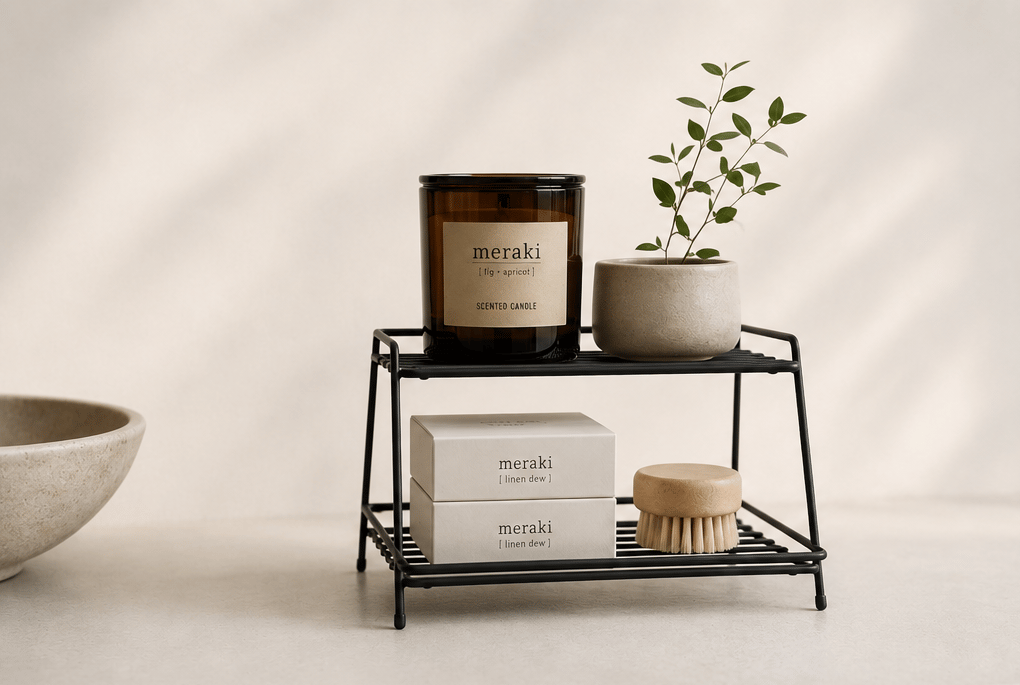
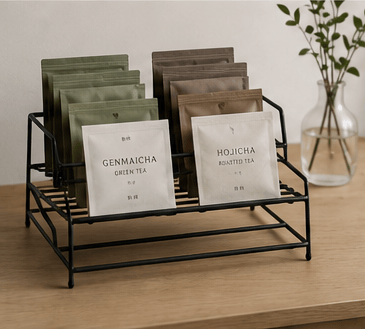
For example, packaged snacks, cosmetics and accessories often benefit from tiered wire display stands that keep every item visible. Larger homeware products may require wider shelves with greater load capacity, while bottled products need stable bases to help prevent tipping.
When the display is designed around the product, everything looks more organised and becomes easier to shop.
Think About How Customers Shop
A display stand should never become an obstacle. Customers naturally move through stores following clear pathways, and displays should support that movement rather than interrupt it.
Freestanding metal display stands work well for promotional areas and seasonal products because they can attract attention from multiple directions. Wall-mounted displays help maximise vertical space, while countertop stands can encourage impulse purchases near checkout counters.
The goal is simple: make products easy to see and easy to reach. If customers have to stretch, bend or search for an item, the shopping experience becomes less convenient.
Match the Display to the Store Environment
A display stand that looks appropriate in a boutique may feel out of place in a warehouse-style retailer. Every retail environment has its own character and practical requirements.
A premium homeware store may prefer clean lines and matte black powder-coated metal that complements a modern interior. Convenience stores often prioritise compact displays that fit limited spaces, while supermarkets usually require larger and more durable fixtures capable of handling frequent customer interaction.
The display should fit naturally into the store while allowing the products, rather than the fixture, to remain the centre of attention.
Durability Matters More Than Appearance Alone
A display stand may look attractive on its first day, but it must also perform after months of regular use. Retail fixtures are frequently moved, cleaned, stocked and occasionally bumped by shopping carts or equipment.
A well-made metal display stand should withstand this daily use without bending, wobbling or losing its finish. Powder-coated steel is commonly selected because it combines structural strength with a clean surface that can resist routine wear.
For distributors, supplying durable display fixtures can also reduce replacement requirements and support stronger long-term relationships with retail customers.
Don't Overlook Flexibility
Retail layouts rarely remain unchanged for long. New product launches, seasonal promotions and changes in customer behaviour may require stores to rearrange displays throughout the year.
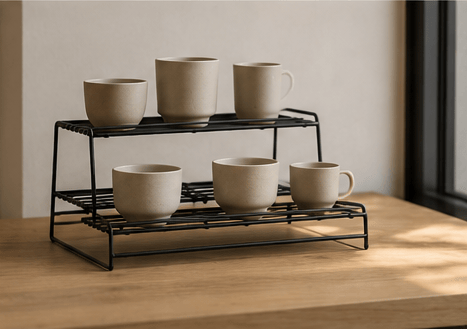
Modular or easily movable metal display stands provide retailers with greater flexibility. Adjustable shelves, removable baskets, interchangeable accessories and stackable designs allow one fixture to support several merchandising requirements.
The more adaptable the display, the more opportunities retailers have to continue using it as their product assortment changes.
Make Assembly Simple
No retailer wants to spend unnecessary time assembling a display stand. Straightforward designs with fewer components can reduce installation time and minimise the possibility of incorrect assembly.
Many distributors prefer knock-down, or KD, designs because they can reduce shipping volume while remaining practical to assemble at the destination.
Good engineering is not only about structural strength. It should also consider assembly, packing, transportation and daily use.
Consider Branding Opportunities
A display stand does not have to be visually generic. Retailers can use custom display fixtures to reinforce their brand identity and improve product presentation.
A branded header, custom colour, logo panel or product signage can make a display more recognisable and help create a consistent retail environment.
For distributors serving private-label retailers, customised metal display stands can become an extension of the retailer's brand rather than simply another store fixture.

Work with a Manufacturer That Understands Retail
Choosing a display stand is not simply a matter of selecting dimensions from a catalogue. An experienced manufacturer should ask about the products, retail environment, target customers and merchandising objectives before recommending a solution.
The manufacturer should also consider practical factors such as load capacity, shipping efficiency, surface finish, production cost, assembly and long-term durability.
That level of input can make the difference between a display that merely holds products and one that supports a more effective retail presentation. Learn more about custom metal display development, or discuss your display requirements with our team.
The Best Display Is the One Customers Hardly Notice
The most effective display stands are often the least distracting. They do not compete with the products. They frame and organise them.
A well-designed metal display stand guides customer attention, creates a more organised shopping experience and can make products appear more considered and accessible.
For distributors and retailers, that is the real purpose of a display fixture: not only to hold products, but to support their presentation and sale.
When product format, presentation and store environment are considered together, choosing the right metal display stand becomes less about the fixture itself and more about creating a better retail experience.
Metal Display Stand Buyer Checklist
- Product dimensions
- Product weight
- Required load capacity
- Display location
- Customer reach and accessibility
- Store environment
- Surface finish
- Mobility or modularity
- Assembly method
- Knock-down packaging requirements
- Branding options
- Order quantity
Frequently Asked Questions
What should I consider when choosing a metal display stand?
Consider the product dimensions and weight, required load capacity, display location, customer accessibility, store environment, finish, assembly, packaging and branding requirements.
Which type of display stand is best for small products?
Countertop and tiered displays are often practical for small products because they can improve visibility and access. The final choice should match the product format and retail location.
Why is load capacity important?
The required load affects the display's structure, stability and suitability for daily retail use. It should be confirmed before the stand is engineered or produced.
Is powder-coated steel suitable for retail displays?
Powder-coated steel is commonly selected for retail displays because it combines structural strength with a clean surface that can resist routine wear.
What is a knock-down display stand?
A knock-down, or KD, display is supplied in components for assembly at its destination. This approach can reduce shipping volume while remaining practical to install.
Can a metal display stand be customised with branding?
Yes. Depending on the project, branding can include a custom colour, branded header, logo panel or product signage.
What information should I provide to request a quotation?
Provide product dimensions, product weight, required quantity, expected load, preferred finish, store environment, assembly requirements, packaging requirements, branding requirements and a reference drawing or image when available.
- Product dimensions
- Product weight
- Required quantity
- Expected load
- Preferred finish
- Store environment
- Assembly requirements
- Packaging requirements
- Branding requirements
- Reference drawing or image, when available
Custom Retail Display Development
Develop a Retail Display That Fits Your Products
Share your product dimensions, expected load, target retail environment, estimated quantity and branding requirements with Steel Craft Living.
Continue Reading
Related Articles